Macao may be known for its dazzling skyline and egg tarts, but within its compact 33sqm city lies a tapestry of stories stretching back centuries. From southern European architecture to enduring culinary traditions, the city's lesser-known facets offer rich materials for crafting meaningful, story-led itineraries. Here are the landmarks, streets, and flavours that reveal Macao’s unique gems.
Hotel Central: A skyline pioneer reborn
Long before mega-resorts arrived in the city, Hotel Central symbolised ambition and modernity. Completed in 1928, it took the claim as Macao’s first skyscraper – and the first to boast an elevator – attracting politicians, poets, and foreign merchants as the place to see and to be seen in. Today, after a careful revitalisation, its teal façade and modernist lines feel both vintage and current. The rooftop has revived as one of the city’s most atmospheric lookout points.
Hot tip: Recommend sunset visits paired with rooftop cocktails – an effortless way to add “old Macao glamour” to any itinerary.
Hotel Estoril: A modernist landmark reimagined
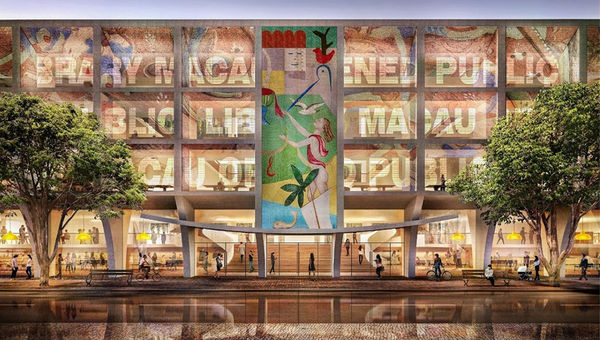
The iconic mosaic mural from the former Hotel Estoril will rest within the walls of the new Central Library. Photo Credit: Cultural Affairs Bureau
When Hotel Estoril opened in the 1962, Macao was stepping into a new era. The modernist complex housed a swimming pool, nightclub and amusement park, with its striking exterior capped by a mosaic mural of Fortuna, the Roman goddess of luck.
Although the historic hotel – closed since the 1990s – has been torn down to make way for the new Central Library, the iconic mural of Fortuna has been preserved and will welcome visitors in the library’s lobby, a piece of cultural continuity that nods to the city’s artistic and architectural evolution.
Hot tip: Add this stop to heritage or architecture-themed tours – it’s an evocative marker of the moment when Macao’s identity began to pivot toward its glittering present.
Mandarin’s House: A masterpiece of cultural fusion
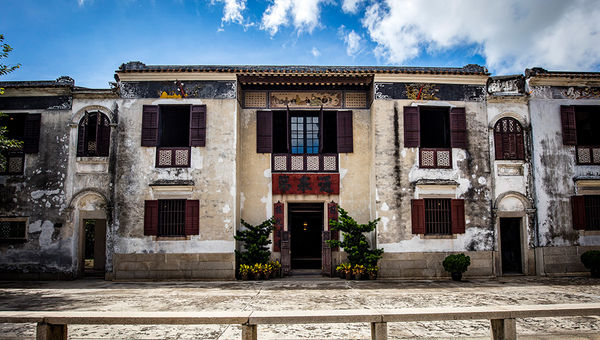
Explore Mandarin’s House for a look into the city’s historical significance.
Tucked into the old quarter near Lilau Square, Mandarin’s House offers a masterclass in quiet grandeur. Built in 1869 as the residence of reformist thinker Zheng Guanying, it stands as one of Macao’s most exquisite examples of cultural synthesis – a mansion that blends Cantonese craftsmanship with Western neoclassical influences like moon gates framing tiled courtyards and shuttered windows opening onto quiet halls.
Here, Zheng penned Shengshi Weiyan (Words of Warning in Times of Prosperity), a treatise that call for reflection and reform during the late Qing dynasty. Its themes of resilience and renewal still echo through its shaded corridors. Today, the house is listed as a UNESCO historical site in Macao.
Hot tip: Ideal as a centrepiece stop in private heritage tours or itineraries exploring old Macao’s UNESCO-listed heart.
Storied heritage in the streets
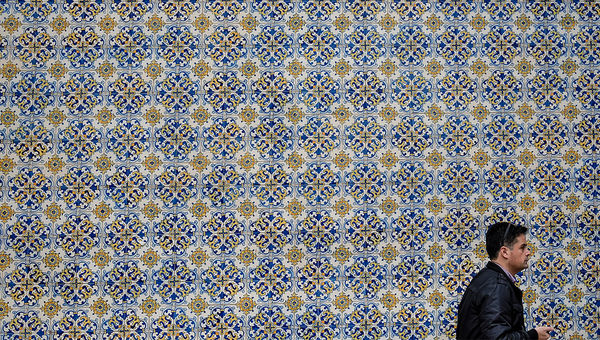
Azulejos, intricate blue-and-white ceramic tiles that tell deeper stories once you know how.
Beyond the grand landmarks, Macao’s character is written most vividly in the streets and textures of daily life. At Senado Square, the black-and-white wave-patterned pavement undulates like the nearby sea, and remains one of Macao’s most photographed icons. Across building façades, azulejos – the intricate blue-and-white ceramic tiles – tell their own stories. Some depict mythic voyages, others Chinese folklore or geometric abstractions, forming a visual patchwork of cultural history.
Come evening, when the city lights up, visitors will still find vestiges of neon lights – once the heartbeat of Macao’s nightlife – scattered across alleys and buildings. Behind Hotel Lisboa, which itself is one of Macao’s most iconic buildings, visitors will find traditional pawnshop signs illuminating the cobbled lanes, while the Restaurante Federal and Teatro Capital cinema hall shimmer in classic neon, offering a glimpse of Macao’s past.
Hot tip: Recommend a guided evening photo walk tracing these neon and tile motifs – ideal for design lovers and culture-curious travellers drawn to urban heritage.
Tuck into nostalgia
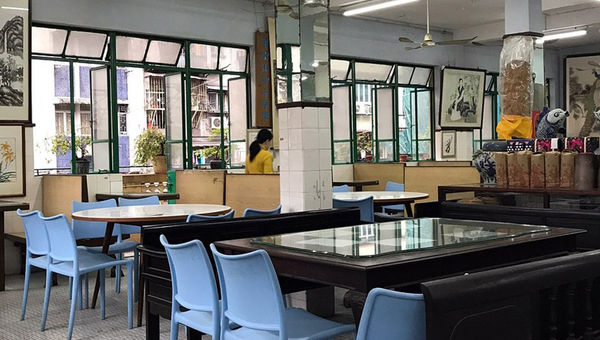
Get a taste of authentic Macao at Lung Wah Tea House.
Macao’s food scene is one of its richest storytellers. At Lung Wah Tea House, little seems to have changed since 1962. The wooden booths, the dim sum carts, the soft chatter of morning tea drinkers are still common sights here. The atmosphere feels lifted from the last century, when dim sum was not just a meal but a ritual of community.
Then there’s Fat Siu Lau, a family-run establishment opened since 1903. Its neon signage, vintage frontage and century-old pigeon recipe are all testaments to its endurance. With one bite of roasted pigeon and one sip of tea, travellers get a taste of Macao’s living history.
Hot tip: Curate a heritage food trail combining these institutions with local bakeries and markets, a favourite for food-loving visitors to immerse in Macao’s living culture.
Add these hidden gems to your Macao portfolio and craft itineraries that uncover the city’s soul. For more inspiration and resources, visit the MGTO website.
This article is brought to you by Macao Government Tourism Office